
PAPEL DOS MICRORNAS NA REGULAÇÃO DE GENES ASSOCIADOS A DOENÇAS NEURODEGENERATIVAS: UMA REVISÃO DE ESCOPO
REGISTRO DOI: 10.69849/revistaft/ni10202510160808
Uindson Liberato Oliveira
ABSTRACT
Objective: To map and synthesize scientific evidence regarding the role of microRNAs in gene expression regulation associated with neurodegenerative diseases, focusing on mitochondrial microRNAs, exosome-transported microRNAs, and their interactions with RNA-binding proteins. The clinical relevance of microRNAs as biomarkers and therapeutic targets is also addressed. Methods: This scoping review followed the Arksey and O’Malley methodological framework and adhered to the PRISMA-ScR checklist. A systematic search was conducted in PubMed, Scopus, and Web of Science, identifying 981 records published between January 2020 and April 2025. Results: Sixteen studies met the eligibility criteria and were included. These studies highlight the involvement of microRNAs in mitochondrial bioenergetics, neuroinflammation, and cellular homeostasis. Their expression and function are influenced by genetic variants and regulatory proteins such as TDP-43 and FUS. Current research also explores the challenges and potential of microRNAs as diagnostic and therapeutic tools for neurodegenerative diseases. Conclusion: MicroRNAs play a central role in the pathophysiology of neurodegenerative diseases and hold promise both as diagnostic biomarkers and as therapeutic targets. Future research should focus on overcoming challenges related to delivery and specificity to enable clinical application.
Keywords: MicroRNAs; Neurodegenerative Diseases; Gene Expression Regulation; Mitochondria; Exosomes
RESUMO
Objetivo: Mapear e sintetizar as evidências científicas sobre o papel dos microRNAs na regulação da expressão gênica associada às doenças neurodegenerativas, com foco nos microRNAs mitocondriais, microRNAs transportados por exossomos e suas interações com proteínas ligadoras de RNA. Também é abordada a relevância clínica dos microRNAs como biomarcadores e alvos terapêuticos. Métodos: Esta revisão de escopo seguiu o referencial metodológico de Arksey e O’Malley e atendeu ao checklist PRISMA-ScR. Foi realizada uma busca sistemática nas bases PubMed, Scopus e Web of Science, identificando 981 registros publicados entre janeiro de 2020 e abril de 2025. Resultados: Dezesseis estudos atenderam aos critérios de elegibilidade e foram incluídos. Estes estudos destacam o envolvimento dos microRNAs na bioenergética mitocondrial, neuroinflamação e homeostase celular. Sua expressão e função são influenciadas por variantes genéticas e proteínas regulatórias, como TDP-43 e FUS. Pesquisas atuais também exploram os desafios e o potencial dos microRNAs como ferramentas diagnósticas e terapêuticas para doenças neurodegenerativas. Conclusão: Os microRNAs desempenham papel fundamental na fisiopatologia das doenças neurodegenerativas e representam biomarcadores diagnósticos e alvos terapêuticos promissores. Investigações futuras devem focar em superar desafios relacionados à entrega e especificidade para aplicação clínica.
Palavras-chave: MicroRNAs; Doenças Neurodegenerativas; Regulação da Expressão Gênica; Mitocôndrias; Exossomos.
Introduction
Neurodegenerative diseases, including Alzheimer’s disease, Parkinson’s disease, amyotrophic lateral sclerosis (ALS) and Huntington’s disease, affect millions of people worldwide and are characterized by progressive neuronal loss and central nervous system dysfunction, with no effective therapies for prevention or cure (1). MicroRNAs (miRNAs) are small non-coding RNA molecules of approximately 22 nucleotides that have emerged as key regulators of post-transcriptional gene expression. They modulate the stability and translation of messenger RNAs (mRNAs) encoded by genes implicated in these conditions (2).
MiRNAs regulate gene expression by promoting messenger RNA (mRNA) degradation or inhibiting translation, depending on their complementarity with target mRNAs. This mechanism is essential for maintaining cellular homeostasis by controlling processes such as apoptosis, inflammation and oxidative stress responses, which are commonly disrupted in neurodegenerative disorders (3). Dysregulation of miRNA expression under pathological conditions contributes to neuronal degeneration, underscoring their central role in disease pathogenesis (4).
Given the expanding body of research on microRNAs (miRNAs) in neurodegeneration, this scoping review synthesizes recent literature on their role, including mitomiRs, exosome-associated miRNAs and their interactions with RNA-binding proteins in gene regulation related to neurodegenerative diseases. The objective is to identify key concepts, research gaps and potential directions for future therapeutic strategies.
Method
This scoping review was conducted in accordance with established methodological frameworks applied in recent microRNA research on neurodegenerative diseases (5,6), ensuring transparency and rigor throughout the review process. The objective was to map and synthesize the available scientific evidence on the role of microRNAs (miRNAs) in regulating genes associated with neurodegenerative diseases.
The guiding question was: What are the main molecular mechanisms mediated by microRNAs (miRNAs) in neurodegenerative diseases, and how do these regulatory elements contribute to disease progression? A systematic literature search was conducted in the PubMed, Scopus and Web of Science databases, covering publications from January 2020 to April 2025. Both controlled and uncontrolled descriptors were used in accordance with the Health Sciences Descriptors (DeCS) and Medical Subject Headings (MeSH), including “microRNAs,” “neurodegenerative diseases,” “gene regulation,” “Alzheimer,” “Parkinson” and “mitochondrial dysfunction.” The Boolean operators “AND” and “OR” were applied to combine the terms and maximize scope and relevance.
Eligible studies included original research articles, experimental studies (in vitro and in vivo), narrative reviews and systematic reviews published in English or Portuguese. The inclusion of diverse study designs is consistent with the exploratory nature of scoping reviews, aiming to provide a comprehensive overview of existing knowledge. Preference was given to studies published in journals classified as Qualis A or B, reflecting higher methodological rigor and academic impact. Exclusion criteria were case reports, duplicate publications and studies lacking sufficient data on the molecular mechanisms under investigation.
Study selection was conducted in three phases: initial screening of titles and abstracts, full-text eligibility assessment and data extraction. Extracted data were compiled into synoptic tables summarizing methodological characteristics, investigated microRNAs (miRNAs), described molecular mechanisms and key findings. A narrative synthesis integrated results from the various study types, highlighting key molecular mechanisms associated with miRNA dysregulation and their roles in the pathophysiology of neurodegenerative diseases.
Results
Figure 1 shows the search process flowchart based on the PRISMA-ScR model. A total of 981 records were initially identified across the PubMed, Scopus and Web of Science databases. After duplicate removal and application of the eligibility criteria, 16 articles were included in the final analysis.
Figure 2 summarizes the study designs, microRNAs (miRNAs) analyzed, molecular mechanisms addressed and main findings of the included studies. The selected studies investigated miRNAs implicated in neurodegenerative diseases, highlighting their roles in oxidative stress, mitochondrial dysfunction and neuroinflammation. Frequently reported key miRNAs included miR-34a, miR-146, miR-155, miR-124 and miR-223, all recognized as modulators of neuronal survival (9,10).
Fig. 1 –PRISMA flow diagram of the study selection process in the scoping review
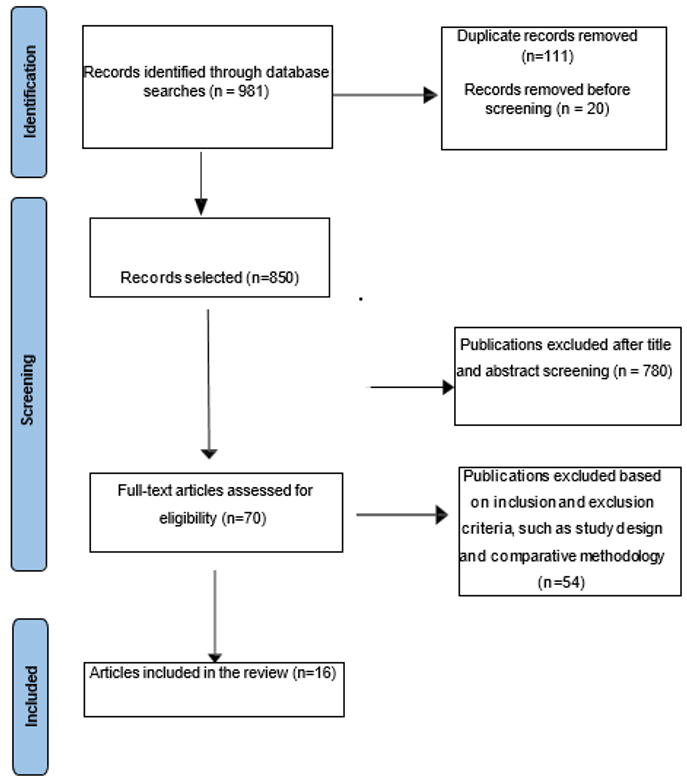
Fig. 2 – Studies on miRNAs and Their Mechanisms in Neurodegenerative and Systemic Diseases
| Authors / Year | Type of Study | Diseases Investigated | Analyzed miRNAs | Mechanisms Addressed | Key Findings | Country of Origin |
| Bai et al., 2021 | Systematic review | Alzheimer, Parkinson | miR-21, miR-146 | Neuroinflammation via astrocytes | miRNAs modulate the inflammatory response | China |
| Carbonell & Gomes, 2020 | Narrative review | Myocardial ischemia-reperfusion | Not specified | Oxidative stress, redox regulation | miRNAs impact cellular response to stress | USA |
| Catanesi et al., 2020 | Narrative review | Alzheimer, Parkinson | miR-34a, miR-2010 | Mitochondrial dysfunction, oxidative stress | Dysregulated miRNAs affect bioenergetic genes | Italy |
| Gentile et al., 2022 | Narrative review | Neurodegenerative diseases | miR-9, miR-125b | miRNA-based biomarkers | miRNAs may be used for early diagnosis | Italy |
| Iaquinta et al., 2021 | Experimental in vitro | Osteogenesis, chondrogenesis | Not specified | Cellular differentiation | miRNAs modulate stem cells differentiation | Italy |
| John et al., 2020 | Narrative review | Aging, neurodegeneration | miR-101, miR-181c | Mitochondrial bioenergetics | Regulation of mitomiRs influences neuronal health | USA |
| Jorge et al., 2021 | Narrative review | Cancer | Not specified | Gene regulation, oncogenesis | miRNAs modulate tumor suppressor and oncogenic genes | Brazil |
| Kinoshita et al., 2021 | Narrative review | Neurodegenerative diseases | TDP-43, FUS | Regulation by RNA-binding proteins (RBPs) | Binding proteins impact miRNA stability | Japan |
| Li et al., 2023 | Narrative review | Neurodegeneration | Not specified | Cellular regulation | Changes in miRNAs affect neurodegenerative processes | China |
| Nguyen et al., 2022 | Narrative review | Neurodegenerative diseases | Not specified | miRNA-based therapy | miRNA mimics and inhibitors can modulate disease | Vietnam |
| Rani & Sangar, 2022 | Narrative review | miRNA biogenesis | Not specified | Drosha and Dicer regulation | Precise miRNA functions in gene regulation | India |
| Roy et al., 2022 | Narrative review | Neurodegeneration | Not specified | Biomarkers and therapeutic applications | miRNAs have diagnostic and therapeutic potential | USA |
| Saikia et al., 2023 | Narrative review | Neurodegeneration | miR-155, miR-223 | Oxidative phosphorylation, mitochondrial metabolism | miRNAs affect mitochondrial processes | India |
| Wang et al., 2020 | Experimental (in vitro) | Neurodegeneration | miR-124, miR-146 | Exosome transport, inflammation | Exosome-mediated miRNAs modulate neuroinflammation | USA |
| Vattathil et al., 2025 | Genetic association | Alzheimer, Parkinson | 224 identified miRNAs | Genetic modulation, bioenergetics | Genetic variants influence miRNA expression | USA |
| Weng et al., 2023 | Narrative review | Neurodegenerative diseases | Not specified | Biogenesis machinery (Drosha/Dicer dysfunction), miRNA sorting | Dysregulated biogenesis impairs miRNA synthesis and increases neuroinflammation | Taiwan |
Discussion
Mitochondrial microRNAs (mitomiRs) influence cellular bioenergetics (11), while exosome-associated miRNAs contribute to neuroinflammatory signaling pathways (12). RNA-binding proteins such as TDP-43 and FUS also play critical roles in miRNA regulatory mechanisms (13). In addition, genetic variants that modulate miRNA expression in specific brain regions further underscore their potential as biomarkers and therapeutic targets (14). Collectively, these findings indicate that dysregulation of miRNAs is a central mechanism in the pathophysiology of neurodegenerative diseases, opening promising avenues for the development of gene-targeted therapeutic strategies.
MicroRNAs and Their Role in Gene Regulation
MicroRNAs (miRNAs) are small non-coding RNA molecules that play essential roles in regulating gene expression at the post-transcriptional level. Their biogenesis is a multistep process that culminates in the modulation of specific target genes, a function vital for maintaining cellular homeostasis and enabling responses to physiological and environmental stimuli. As fine regulators of gene expression, miRNAs have been associated with several pathological conditions, including cancer, cardiovascular disease and neurodegenerative disorders, due to their ability to directly control the expression of genes involved in cell proliferation, apoptosis, metabolism and oxidative stress (15,16).
The biogenesis of microRNAs (miRNAs) begins in the cell nucleus, where they are transcribed as long primary RNAs known as pri-miRNAs. These are processed by the enzyme Drosha into precursor miRNAs (pre-miRNAs), which are then transported to the cytoplasm, where the enzyme Dicer completes the final processing step to generate mature miRNAs. Together with the RNA-induced silencing complex (RISC), mature miRNAs inhibit translation or promote degradation of the target messenger RNA (mRNA), depending on the degree of complementarity between the miRNA and its mRNA. These mechanisms have been described in detail, highlighting the roles of Drosha and Dicer in ensuring precise maturation and the specificity of miRNAs in recognizing target mRNAs (15,17).
In the context of cancer, miRNA dysregulation can lead to the activation or inhibition of oncogenes and tumor suppressor genes, contributing to uncontrolled cell proliferation and resistance to therapy (7). Certain miRNAs act as “tumor suppressor miRNAs” or “oncomiRs,” depending on their roles across cell types and tissue contexts (7). Overexpression of specific miRNAs may inhibit tumor suppressor genes, whereas reduced expression of others may permit oncogene activation. This functional versatility positions miRNAs as potential therapeutic targets, as they can be manipulated to restore cellular homeostasis (7).
In a review on hemoglobinopathies, miRNAs were examined for their roles in hematologic diseases, particularly in the gene expression control of proteins in red blood cells (8). They can directly influence the regulation of hemoglobin synthesis and, consequently, affect the development and function of blood cells (8). This evidence expands the understanding of miRNA function beyond cancers and degenerative diseases, highlighting their relevance in specific genetic conditions such as hereditary blood disorders (8). miRNAs offer a new perspective for developing therapies aimed at minimizing the impact of disorders such as thalassemia and sickle cell anemia, indicating that gene regulation by miRNAs can represent both a risk factor and a therapeutic opportunity (8).
Dysregulation of MicroRNAs in Neurodegenerative Diseases
Neurodegenerative diseases such as Alzheimer’s disease, Parkinson’s disease and amyotrophic lateral sclerosis (ALS) are characterized by progressive and irreversible neuronal loss, leading to declines in motor and cognitive functions. Although their pathogenesis involves multiple factors, recent studies have identified microRNA (miRNA) dysregulation as a central element in disease progression. miRNAs are small non-coding RNA molecules that regulate gene expression post-transcriptionally and play a crucial role in maintaining cellular homeostasis. When dysregulated, however, they can alter the expression of critical genes, contributing to the accumulation of toxic proteins and impairing essential organelles such as mitochondria (5).
A strong association between mitochondrial dysfunction and microRNA (miRNA) dysregulation has been reported across various neurodegenerative diseases (5). Mitochondria are particularly sensitive to alterations in miRNA expression due to their pivotal roles in energy production and oxidative stress regulation (5). In conditions such as Alzheimer’s and Parkinson’s diseases, dysregulated miRNAs negatively affect genes essential for mitochondrial function, increasing cellular stress and promoting neuronal death (5). miR-34a and miR-210 are among the miRNAs most frequently dysregulated in these contexts, impairing bioenergetic processes and accelerating neuronal degeneration (5).
Astrocytes play a key role in microRNA (miRNA) dysregulation and its contribution to the pathogenesis of neurodegenerative diseases (1). These glial cells, essential for neuronal support, undergo significant functional changes when miRNA regulation is disrupted, compromising their protective roles and the maintenance of the neural microenvironment (1). miR-21 and miR-146 are critical modulators of inflammatory and oxidative stress responses, but their dysregulation in astrocytes contributes to chronic neuroinflammation and exacerbates neurodegeneration (1). Dysregulation of miRNAs in astrocytes affects not only neurons but also the broader cellular network involved in neuroprotection (1).
Deregulated microRNAs (miRNAs) have been proposed as biomarkers and therapeutic targets in neurodegenerative diseases (6). Altered miRNA expressions can be detected in biological fluids such as blood and cerebrospinal fluid, making them promising indicators for early diagnosis (6). miR-9 and miR-125b have been identified as markers of protein aggregation and cellular stress (6). Restoring normal expression of these miRNAs may represent an effective strategy to halt disease progression (6).
The microRNA (miRNA) biogenesis machinery plays a critical role in gene regulation, and key proteins involved in miRNA maturation, such as Drosha and Dicer, exhibit abnormal function in neurodegenerative diseases (17). This impairment compromises the proper synthesis of mature miRNAs, contributing to the accumulation of neurotoxic proteins and disrupting intercellular communication between neurons and glial cells, thereby intensifying inflammation and tissue damage (17).
Therapeutic applications of microRNA (miRNA)-based interventions in neurodegenerative diseases include the use of miRNA mimics, which restore the function of downregulated miRNAs, and miRNA inhibitors, which block the activity of overexpressed miRNAs to prevent harmful effects (10). Despite the promise of these approaches, challenges remain, including delivery specificity and potential adverse effects, which must be addressed before clinical translation (10).
Dysregulated expression of microRNAs (miRNAs) has been widely associated with the development of neurodegenerative diseases. A study published in Nature Aging demonstrated that genetic variants can directly influence miRNA levels in brain tissue, thereby altering key neurodegenerative pathways (13). Certain miRNAs were also found to operate independently of their host gene regulation, suggesting distinct regulatory mechanisms that may contribute directly to inflammatory and neurotoxic processes (13). These findings expand the understanding of how miRNA dysregulation contributes to the progression of Alzheimer’s and Parkinson’s diseases and highlight the potential of genetic biomarkers for early diagnosis (13).
Interaction of MicroRNAs with Proteins and Mitochondria in Neurodegenerative Diseases
Neurodegenerative diseases such as Alzheimer’s disease, Parkinson’s disease and amyotrophic lateral sclerosis (ALS) involve complex pathological mechanisms in which mitochondrial dysfunction and oxidative stress play central roles. Recent research has increasingly focused on mitochondrial microRNAs (mitomiRs) and their interaction with RNA-binding proteins (RBPs) (5,11). These components influence fundamental cellular processes, including mitochondrial homeostasis and the regulation of genes essential for neuronal survival (5,11).
Mitochondrial microRNAs (mitomiRs) are critical regulators of mitochondrial function, modulating genes involved in energy metabolism and oxidative stress responses. The involvement of RNA-binding proteins (RBPs) and exosomes in miRNA modulation and transport adds an additional layer of complexity to cellular regulation, directly influencing the pathogenesis of neurodegenerative diseases (5,11).
Mitochondrial dysfunction and dysregulation of mitochondrial microRNAs (mitomiRs) affect cellular bioenergetics and oxidative stress control (5). Specific miRNAs, such as miR-34a and miR-210, are dysregulated in Alzheimer’s and Parkinson’s diseases, impairing genes associated with neuronal bioenergetics (5). This dysregulation increases the production of reactive oxygen species (ROS), promotes oxidative damage and accelerates neuronal degeneration (5).
The interaction between RNA-binding proteins (RBPs) and microRNAs (miRNAs) plays an important role in neurodegeneration (4). Proteins such as TDP-43 and FUS are essential for maintaining miRNA stability and intracellular transport (4). Dysregulation of these proteins compromises miRNA activity on genes crucial for neuronal survival, exacerbating cellular stress and neuroinflammation (4).
Another relevant mechanism involves microRNAs (miRNAs) transported by exosomes and their contribution to oxidative stress in neurodegenerative diseases (12). Exosomes are extracellular vesicles that transport miRNAs and other molecules between cells, directly affecting cellular communication and inflammatory processes (12). miR-124 and miR-146, when dysregulated, can be released via exosomes and induce chronic neuroinflammation, thereby contributing to disease progression (12).
The role of mitochondrial microRNAs (mitomiRs) in aging and neurodegeneration, particularly in relation to mitochondrial metabolism, has been investigated (3). miR-101 and miR-181c are essential for maintaining neuronal bioenergetics; however, their function may be compromised with aging, facilitating neuronal degeneration (3).
Mitochondrial microRNAs (mitomiRs) play key roles in neurodegeneration, and their dysregulation impairs processes such as oxidative phosphorylation and adenosine triphosphate (ATP) production, both critical for neuronal function (11). miR-155 and miR-223, which are frequently altered in Alzheimer’s and Parkinson’s diseases, interfere with mitochondrial efficiency and aggravate oxidative stress (11). Restoring mitomiR activity may offer promising therapeutic alternatives (11).
Comparison of these findings indicates that dysregulation of mitochondrial microRNAs (mitomiRs) and RNA-binding proteins (RBPs) plays a key role in mitochondrial homeostasis and may trigger irreversible neurodegenerative damage. MitomiRs have a direct impact on energy metabolism (3,5), whereas RBPs influence miRNA stability (4). The role of exosomes in miRNA transport has also been examined, with studies identifying novel therapeutic strategies for neuroprotection (11,12).
Beyond their role in gene regulation, the interaction of microRNAs (miRNAs) with proteins and mitochondria is fundamental for maintaining neuronal function. A study published in Nature Aging demonstrated that genetically modulated miRNAs can directly influence the expression of regulatory factors involved in cellular bioenergetics (13,14). These findings support the hypothesis that mitochondrial dysfunction in neurodegeneration may be partially driven by miRNA dysregulation, adding a new layer of complexity to the understanding of cellular alterations that contribute to these diseases (13,14).
This emerging perspective opens avenues for developing targeted therapies that genetically modulate the expression of specific microRNAs (miRNAs) to restore mitochondrial stability and neuronal function in neurodegenerative disorders.
Conclusion
This scoping review demonstrates that microRNAs (miRNAs) play a fundamental role in regulating gene expression and are directly implicated in the pathogenesis of neurodegenerative diseases, including Alzheimer’s disease, Parkinson’s disease and amyotrophic lateral sclerosis (ALS). Dysregulation of miRNAs, particularly mitochondrial miRNAs (mitomiRs) and those transported via exosomes, contributes to mitochondrial dysfunction, oxidative stress and chronic inflammation, all of which accelerate neuronal degeneration. The interaction between miRNAs and RNA-binding proteins (RBPs) further underscores their critical role in maintaining cellular homeostasis.
This review underscores the urgent need for further investigation into the molecular mechanisms underlying microRNA (miRNA) function and their potential applications as biomarkers and therapeutic targets. Future studies should prioritize translational research, clinical validation and the development of targeted therapies that address challenges related to delivery specificity and safety. The synthesis presented here is intended to guide future research efforts and foster innovative approaches to combat neurodegenerative diseases.
References
(1) Bai Y, Zhang Y, Han B, Yang L, Chen X, Huang R, et al. Involvement of astrocytes and microRNA dysregulation in neurodegenerative diseases: from pathogenesis to therapeutic potential. Front Mol Neurosci. 2021;14:556215. doi: 10.3389/fnmol.2021.556215. Available from: https://www.frontiersin.org/articles/10.3389/fnmol.2021.556215/full
(2) Li S, Lei Z, Sun T. The role of microRNAs in neurodegenerative diseases: a review. Cell Biol Toxicol. 2023;39(1):53–83. doi: 10.1007/s10565-022-09761-x. Available from: https://link.springer.com/article/10.1007/s10565-022-09761-x
(3) John A, Kubosumi A, Reddy PH. Mitochondrial MicroRNAs in aging and neurodegenerative diseases. Cells. 2020;9(6):1345. doi: 10.3390/cells9061345. Available from: https://www.mdpi.com/2073-4409/9/6/1345
(4) Kinoshita C, Kubota N, Aoyama K. Interplay of RNA-binding proteins and microRNAs in neurodegenerative diseases. Int J Mol Sci. 2021;22(10):5292. doi: 10.3390/ijms22105292. Available from: https://www.mdpi.com/1422-0067/22/10/5292
(5) Catanesi M, d’Angelo M, Antonosante A, Castelli V, Cimini A. MicroRNAs dysregulation and mitochondrial dysfunction in neurodegenerative diseases. Int J Mol Sci. 2020;21(17):5986. doi: 10.3390/ijms21175986. Available from: https://www.mdpi.com/1422-0067/21/17/5986
(6) Gentile G, Martino G, Rosini M, Fonseca CT, Parrella E, Coletti A, et al. Dysregulated miRNAs as biomarkers and therapeutical targets in neurodegenerative diseases. J Pers Med. 2022;12(5):770. doi: 10.3390/jpm12050770. Available from: https://www.mdpi.com/2075-4426/12/5/770
(7) Jorge AL, Maciel CM, França EJ, Silva AB, Melo FM, Souza AM, et al. MicroRNAs: understanding their role as regulators of gene expression and their involvement in cancer. Einstein (São Paulo). 2021;19:eAO6311. doi: 10.31744/einstein_journal/2021AO6311. Available from: https://journal.einstein.br/article/micrornas-entendendo-seu-papel-como-reguladores-da-expressao-genica-e-seu-envolvimento-no-cancer/
(8) Silva DD, Malerba DP, Santos ABBD, Bonin-Domingos CR, Ayo CM. MicroRNAs in hemoglobinopathies: a review. Hematol Transfus Cell Ther. 2023;45(Suppl 4):S48. doi: 10.1016/j.htct.2023.09.167. Available from: https://www.htct.com.br/pt-micrornas-em-hemoglobinopatias-uma-revisao-articulo-S2531137923003437
(9) Roy B, Jiang J, Huang JT, Tseng GC, Lu Q. Role of miRNAs in neurodegeneration: From disease cause to tools of biomarker discovery and therapeutics. Genes. 2022;13(3):425. doi: 10.3390/genes13030425. Available from: https://www.mdpi.com/2073-4425/13/3/425
(10) Nguyen TP, Vo KT, Vo VG, Le MP, Luu VH, Nguyen KT, et al. MicroRNA alteration, application as biomarkers, and therapeutic approaches in neurodegenerative diseases. Int J Mol Sci. 2022;23(9):4718. doi: 10.3390/ijms23094718. Available from: https://www.mdpi.com/1422-0067/23/9/4718
(11) Saikia BJ, Paul S, Phookan N, Talukdar U, Mukhopadhyay S, Deb A, et al. Understanding the roles and regulation of mitochondrial microRNAs (MitomiRs) in neurodegenerative diseases: Current status and advances. Mech Ageing Dev. 2023;213:111838. doi: 10.1016/j.mad.2023.111838. Available from: https://pubmed.ncbi.nlm.nih.gov/37329989/
(12) Wang X, Zhang Y, Zhu M, Yu Y, Xu B, Jiao Y, et al. The role of exosomal microRNAs and oxidative stress in neurodegenerative diseases. Oxid Med Cell Longev. 2020;2020:3232869. doi: 10.1155/2020/3232869. Available from: https://www.hindawi.com/journals/omcl/2020/3232869/
(13) Vattathil SM, Gerasimov ES, Canon SM, et al. Mapping the microRNA landscape in the older adult brain and its genetic contribution to neuropsychiatric conditions. Nat Aging. 2025;5:306–19. doi: 10.1038/s43587-024-00778-x. Available from: https://www.nature.com/articles/s43587-024-00778-x
(14) Carbonell T, Gomes AV. MicroRNAs in the regulation of cellular redox status and its implications in myocardial ischemia-reperfusion injury. Redox Biol. 2020;36:101607. doi: 10.1016/j.redox.2020.101607. Available from: https://www.sciencedirect.com/science/article/pii/S2213231720308120
(15) Rani V, Sengar RS. Biogenesis and mechanisms of microRNA-mediated gene regulation. Biotechnol Bioeng. 2022;119(3):685–92. doi: 10.1002/bit.28029. Available from: https://analyticalsciencejournals.onlinelibrary.wiley.com/doi/10.1002/bit.28029
(16) Iaquinta MR, Lanzillotti C, Mazziotta C, Bononi I, Frontini F, Montalvão SA, et al. The role of microRNAs in the osteogenic and chondrogenic differentiation of mesenchymal stem cells and bone pathologies. Theranostics. 2021;11(13):6573. doi: 10.7150/thno.56459. Available from: https://www.thno.org/v11p6573.htm
(17) Weng YT, Chang YM, Chern Y. The impact of dysregulated microRNA biogenesis machinery and microRNA sorting on neurodegenerative diseases. Int J Mol Sci. 2023;24(4):3443. doi: 10.3390/ijms24043443. Available from: https://www.mdpi.com/1422-0067/24/4/3443