
REGISTRO DOI: 10.69849/revistaft/ma10202511101021
Larissa Bom Rocca Laport
Abstract
Tobacco smoking is a major preventable risk factor for multiple oral diseases, exerting both direct local effects on the oral cavity and systemic alterations that impair host defense and tissue repair. Smoking substantially increases the risk of oral and oropharyngeal cancers, premalignant lesions such as leukoplakia, and destructive periodontal disease, while also contributing to higher rates of dental caries, implant failure, and impaired wound healing. The pathophysiological mechanisms include chronic exposure to carcinogens, vascular constriction, immune dysfunction, and dysbiosis of the oral microbiota. These effects are amplified by socioeconomic disparities, as smoking prevalence is disproportionately higher among vulnerable populations, further intensifying the oral disease burden. Evidence highlights that dentists and allied oral health professionals play a critical role in early detection, patient education, and integration of smoking cessation into oral healthcare. Addressing tobacco use in both clinical and public health contexts is essential to reducing preventable oral diseases and improving population-level outcomes.
Keywords: Tobacco smoking; Oral health; Oral cancer; Periodontal disease; Dental implants; Oral lesions; Public health.
Tobacco smoking remains one of the most important preventable risk factors for a wide range of oral diseases, producing direct local effects in the mouth as well as systemic changes that alter oral host defenses and tissue repair. Smoking increases the risk of oral and oropharyngeal cancers through sustained exposure to carcinogens in tobacco smoke that cause DNA damage and promote malignant transformation of mucosal cells. Epidemiological studies consistently identify tobacco use as a dominant causal factor for oral squamous cell carcinoma and premalignant lesions such as leukoplakia, with a large attributable fraction of cases worldwide (Warnakulasuriya, 2009).
Beyond malignancy, cigarette smoking is strongly associated with destructive periodontal disease. Meta-analyses and recent systematic reviews indicate that current smokers face substantially higher odds of developing periodontitis compared with non-smokers, and that smoking worsens clinical periodontal parameters, including probing depth, attachment loss, and alveolar bone loss. The mechanisms include smoking-induced vasoconstriction that masks gingival bleeding (thereby delaying diagnosis), impairment of neutrophil and macrophage function, altered cytokine profiles that favor tissue-destructive inflammation, and detrimental changes to the subgingival microbiome that favor pathogenic species. These pathophysiologic effects both increase susceptibility to periodontitis and reduce the effectiveness of conventional periodontal therapy (Leite, Nascimento & Baelum, 2018).
Smoking also negatively affects outcomes of common dental procedures. Dental implants placed in smokers have higher rates of early and late failure compared with those placed in non-smokers, and peri-implantitis appears more frequent and progressive in patients who use tobacco. Meta-analyses report markedly elevated odds of implant failure in smokers—a clinically meaningful effect for treatment planning and informed consent—while mechanistic studies implicate impaired osseointegration, reduced blood flow, and compromised healing as principal contributors (Chrcanovic, Albrektsson & Wennerberg, 2015).
Dental caries, although historically associated primarily with dietary sugars and poor oral hygiene, is increasingly recognized to be influenced by tobacco use. Systematic reviews and pooled analyses indicate a correlation between tobacco smoking and higher prevalence of root and coronal caries in some populations. Proposed mechanisms include alterations in salivary flow and composition, changes in the oral microbiota favoring cariogenic species, and behavioral clustering of risk (e.g., higher sugar intake, less frequent dental attendance) among smokers. While the magnitude of the caries risk attributable to smoking is more modest and heterogeneous than for cancer or periodontitis, it remains a relevant component of the overall oral disease burden linked to tobacco (Campus et al., 2020).
A broad spectrum of oral mucosal lesions is also associated with tobacco exposure. These range from benign tobacco-associated conditions such as nicotinic stomatitis and melanosis to premalignant lesions (oral leukoplakia, erythroplakia) and frank carcinoma. Tobacco causes field cancerization of the oral epithelium: chronic exposure produces genetic and epigenetic changes across wide mucosal areas, increasing the probability of multifocal neoplastic transformation. Clinically, premalignant lesions among smokers carry an elevated risk of dysplasia or progression to invasive cancer and therefore demand closer surveillance and, in many cases, biopsy (IARC, 2012).
Smoking further impairs oral wound healing and increases postoperative complications. The vasoconstrictive and hypoxic microenvironment produced by nicotine and carbon monoxide, along with dysregulated immune responses, slows soft tissue and bone repair, increases postoperative infection rates, and compromises hemostasis. These effects have implications not only for implants and dentoalveolar surgery but also for periodontal regenerative procedures and endodontic healing. Dose–response relationships have been observed, with heavier smoking linked to worse healing outcomes (Naseri, Yaghini & Feizi, 2015).
At the population level, tobacco use amplifies oral health disparities. Smoking prevalence is often higher among socioeconomically disadvantaged groups, where reduced access to preventive dental care, higher comorbidity burden, and clustering of other behavioral risks magnify harms. Public-health surveillance and cohort data demonstrate that tobacco contributes substantially to the incidence of clinical outcomes such as gum disease diagnosis, tooth loss, and oral cancer—outcomes that carry major functional, aesthetic, and quality-of-life consequences (Patel et al., 2023). Cessation therefore has both clinical and public-health importance, reducing individual risk and the broader burden on dental services.
Clinical management approaches must combine disease-focused care with robust tobacco-cessation support. Dentists and allied oral health professionals are well positioned to screen for tobacco use, offer brief motivational interventions, prescribe or refer for pharmacotherapy when indicated, and coordinate follow-up; such integrative care improves oral and systemic outcomes. From a preventive perspective, early detection of premalignant lesions, intensified periodontal maintenance for current and former smokers, and preoperative cessation counseling for patients undergoing surgical procedures are evidence-informed strategies to mitigate risk (Johnson et al., 2023).The flowchart titled Oral Health Risks of Tobacco Smoking illustrates the progression from tobacco use to its harmful impacts on oral health. It begins with tobacco smoking, which produces direct and indirect oral effects leading to multiple conditions: oral and oropharyngeal cancer caused by DNA damage, periodontal disease characterized by attachment loss and altered immunity, increased risk of dental caries due to changes in saliva and microbiota, higher rates of implant failure and poor wound healing, and a variety of oral mucosal lesions such as leukoplakia and stomatitis. These conditions result in significant consequences, including tooth loss, functional and aesthetic impairments, and reduced quality of life. The chart emphasizes that effective interventions—such as early detection, maintenance therapy, and smoking cessation support—can reduce the overall oral disease burden and improve patient outcomes.
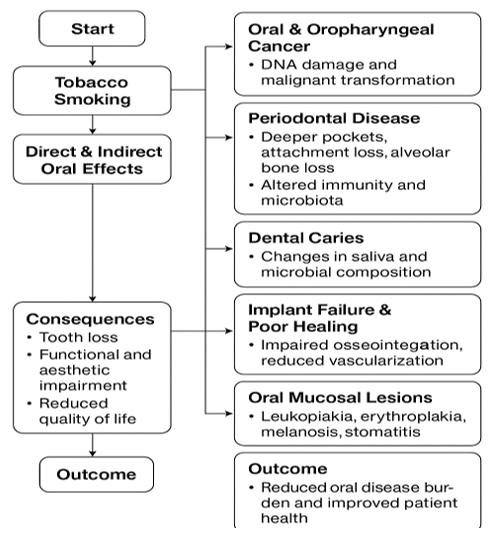
Figure 1. Oral Health Risks of Tobacco Smoking.
Source: Created by author.
In summary, the consequences of smoking for oral health are wide-ranging and severe: tobacco elevates risks for oral cancers and premalignant conditions, substantially increases the incidence and severity of periodontal disease, raises the likelihood of implant failure and impaired wound healing, and contributes to higher caries rates in many populations. These effects operate through multiple biological mechanisms—carcinogenic exposure, immune dysfunction, impaired perfusion and repair, and dysbiosis—amplified by socioeconomic and behavioral determinants. Addressing tobacco use within dental practice and public health policy is therefore essential to reduce preventable oral disease and improve patient outcomes.
References
Campus, G., Cocco, F., Strohmenger, L., Cagetti, M. G. (2020). Effect of smoking on caries: A systematic review. Acta Odontologica Scandinavica, 78(6), 442–449.
Chrcanovic, B. R., Albrektsson, T., Wennerberg, A. (2015). Smoking and dental implants: A systematic review and meta-analysis. Journal of Dentistry, 43(5), 487–498.
International Agency for Research on Cancer (IARC). (2012). IARC Monographs on the Evaluation of Carcinogenic Risks to Humans, Volume 100E: Personal Habits and Indoor Combustions. Lyon: IARC.
Johnson, N. W., Bain, C. A., Brand, J. M. (2023). Effects of tobacco product use on oral health and the role of oral health professionals in cessation. International Dental Journal, 73(2), 137–148.
Leite, F. R. M., Nascimento, G. G., Baelum, V. (2018). Effect of smoking on periodontitis: A systematic review and meta-regression. American Journal of Preventive Medicine, 54(6), 831–841.
Naseri, R., Yaghini, J., Feizi, A. (2015). The effect of smoking on periodontal treatment outcomes: A systematic review and meta-analysis. Journal of Periodontal Research, 50(5), 575–583.
Patel, J., Keenan, L., van der Heijden, G., Smeeth, L., Watt, R. G. (2023). Tobacco use and adverse oral health outcomes in UK Biobank: A cohort study. JAMA Network Open, 6(1), e2252821.
Warnakulasuriya, S. (2009). Global epidemiology of oral and oropharyngeal cancer. Oral Oncology, 45(4–5), 309–316.
SANTOS,Hugo;PESSOA,EliomarGotardi.Impactsofdigitalizationontheefficiencyandqualityofpublicservices:Acomprehensiveanalysis.LUMENETVIRTUS,[S.l.],v.15,n.40,p.44094414,2024.DOI:10.56238/levv15n40024.Disponívelem:https://periodicos.newsciencepubl.com/LEV/article/view/452.Acessoem:25jan.2025.
Freitas,G.B.,Rabelo,E.M.,&Pessoa,E.G.(2023).Projetomodularcomreaproveitamentodecontainermaritimo.BrazilianJournalofDevelopment,9(10),28303–28339.https://doi.org/10.34117/bjdv9n10057
Freitas,G.B.,Rabelo,E.M.,&Pessoa,E.G.(2023).Projetomodularcomreaproveitamentodecontainermaritimo.BrazilianJournalofDevelopment,9(10),28303–28339.https://doi.org/10.34117/bjdv9n10057
Pessoa,E.G.,Feitosa,L.M.,ePadua,V.P.,&Pereira,A.G.(2023).EstudodosrecalquesprimáriosemumaterroexecutadosobreaargilamoledoSarapuí.BrazilianJournalofDevelopment,9(10),28352–28375.https://doi.org/10.34117/bjdv9n10059
PESSOA,E.G.;FEITOSA,L.M.;PEREIRA,A.G.;EPADUA,V.P.Efeitosdeespéciesdealnaeficiênciadecoagulação,Alresidualepropriedadedosflocosnotratamentodeáguassuperficiais.BrazilianJournalofHealthReview,[S.l.],v.6,n.5,p.2481424826,2023.DOI:10.34119/bjhrv6n5523.Disponívelem:https://ojs.brazilianjournals.com.br/ojs/index.php/BJHR/article/view/63890.Acessoem:25jan.2025.
SANTOS,Hugo;PESSOA,EliomarGotardi.Impactsofdigitalizationontheefficiencyandqualityofpublicservices:Acomprehensiveanalysis.LUMENETVIRTUS,[S.l.],v.15,n.40,p.44094414,2024.DOI:10.56238/levv15n40024.Disponívelem:https://periodicos.newsciencepubl.com/LEV/article/view/452.Acessoem:25jan.2025.
Filho, W. L. R. (2025). The Role of Zero Trust Architecture in Modern Cybersecurity: Integration with IAM and Emerging Technologies. Brazilian Journal of Development, 11(1), e76836. https://doi.org/10.34117/bjdv11n1-060
Oliveira, C. E. C. de. (2025). Gentrification, urban revitalization, and social equity: challenges and solutions. Brazilian Journal of Development, 11(2), e77293. https://doi.org/10.34117/bjdv11n2-010
Pessoa, E. G. (2024). Pavimentos permeáveis uma solução sustentável. Revista Sistemática, 14(3), 594–599. https://doi.org/10.56238/rcsv14n3-012
Filho, W. L. R. (2025). THE ROLE OF AI IN ENHANCING IDENTITY AND ACCESS MANAGEMENT SYSTEMS. International Seven Journal of Multidisciplinary, 1(2). https://doi.org/10.56238/isevmjv1n2-011
Antonio, S. L. (2025). Technological innovations and geomechanical challenges in Midland Basin Drilling. Brazilian Journal of Development, 11(3), e78097. https://doi.org/10.34117/bjdv11n3-005
Pessoa, E. G. (2024). Pavimentos permeáveis uma solução sustentável. Revista Sistemática, 14(3), 594–599. https://doi.org/10.56238/rcsv14n3-012
Pessoa, E. G. (2024). Pavimentos permeáveis uma solução sustentável. Revista Sistemática, 14(3), 594–599. https://doi.org/10.56238/rcsv14n3-012
Eliomar Gotardi Pessoa, & Coautora: Glaucia Brandão Freitas. (2022). ANÁLISE DE CUSTO DE PAVIMENTOS PERMEÁVEIS EM BLOCO DE CONCRETO UTILIZANDO BIM (BUILDING INFORMATION MODELING). Revistaft, 26(111), 86. https://doi.org/10.5281/zenodo.10022486
Eliomar Gotardi Pessoa, Gabriel Seixas Pinto Azevedo Benittez, Nathalia Pizzol de Oliveira, & Vitor Borges Ferreira Leite. (2022). ANÁLISE COMPARATIVA ENTRE RESULTADOS EXPERIMENTAIS E TEÓRICOS DE UMA ESTACA COM CARGA HORIZONTAL APLICADA NO TOPO. Revistaft, 27(119), 67. https://doi.org/10.5281/zenodo.7626667
Eliomar Gotardi Pessoa, & Coautora: Glaucia Brandão Freitas. (2022). ANÁLISE COMPARATIVA ENTRE RESULTADOS TEÓRICOS DA DEFLEXÃO DE UMA LAJE PLANA COM CARGA DISTRIBUÍDA PELO MÉTODO DE EQUAÇÃO DE DIFERENCIAL DE LAGRANGE POR SÉRIE DE FOURIER DUPLA E MODELAGEM NUMÉRICA PELO SOFTWARE SAP2000. Revistaft, 26(111), 43. https://doi.org/10.5281/zenodo.10019943
Pessoa, E. G. (2025). Optimizing helical pile foundations: a comprehensive study on displaced soil volume and group behavior. Brazilian Journal of Development, 11(4), e79278. https://doi.org/10.34117/bjdv11n4-047
Pessoa, E. G. (2025). Utilizing recycled construction and demolition waste in permeable pavements for sustainable urban infrastructure. Brazilian Journal of Development, 11(4), e79277. https://doi.org/10.34117/bjdv11n4-046