
REGISTRO DOI: 10.69849/revistaft/cl10202507311532
Leonardo Leite Rimolo1,2
Marisângela Balz1,2
Cristiana Palma Kuhl3
Isabel Cirne Lima de Oliveira Durli3
Amanda Wink Santos3
Eduardo Pandolfi Passos1,3
Markus Berger1,3
Paula Barros Terraciano1,3
ABSTRACT
Introduction: Characterized by widespread pain in the body and increased sensitivity to stimuli, fibromyalgia syndrome (FMS) often presents with additional impairments such as fatigue, sleep disturbances, cognitive impairment, anxiety, and depression. Objective: To investigate whether guided physical exercise has an effect as a nonpharmacological therapy for women with fibromyalgia syndrome. Considering the significant negative impact this painful syndrome can have on the population, particularly on the quality of life of women, updated scientific evidence addressing viable nonpharmacological therapeutic alternatives that are cost-effective and accessible for FMS is pertinent. Method: A systematic review was conducted following the Preferred Reporting Items for Systematic Reviews and Meta-Analyses (PRISMA) statement, with searches of relevant terms adapted to each of the three databases used: PubMed, Scielo (Scientific Electronic Library Online), and PEDro (Physiotherapy Evidence Database). Results: A total of 1,159 publications were found in the searched databases, with 183 from PubMed, 48 from Scielo, and 928 from PEDro. After applying the inclusion criteria, 11 studies were included in the review of this study, which were characterized and analyzed descriptively. The majority of the included studies (73%; n=8) were conducted in Spain. Overall, the studies indicated that varied training programs, such as aerobic, strength, balance, breathing, low-impact/low-intensity, resistance, coordination, and stretching exercises, promote overall improvements in aspects of FMS. It is noteworthy that the combination of different exercises, as well as the combination with other nonphysical (non-pharmacological) therapies, have shown more promising results. Conclusion: Systematized physical exercise appears to emerge as an effective and promising non-pharmacological therapeutic alternative. The results of this systematic review indicate that guided physical activity has shown to produce reduction effects on both physical symptoms (pain) and psychological symptoms (depression), as well as improvements in the overall quality of life of women with fibromyalgia syndrome. However, further studies are needed to fill existing gaps and provide more robust evidence on the efficacy and underlying mechanisms, including more assertive protocols, of this non-pharmacological therapy.
Keywords: Guided exercise, Therapeutic exercise, Fibromyalgia, Women, Rehabilitation, Therapy.
INTRODUCTION
Fibromyalgia syndrome (FMS) is a chronic condition characterized by widespread body pain and increased sensitivity to stimuli. Although FMS is primarily characterized by painful symptoms, individuals often have additional neuropsychological manifestations, including fatigue, sleep disturbances, cognitive impairment, anxiety and depression. However, the etiology remains unknown (CROFFORD, 2022).
The global prevalence of FMS is an approximate average of 2%, with estimated variation between 0.66% and 4.4%, with the lowest percentage in men and the highest in women (MARQUES et al., 2017). Crofford (2022) adds that in clinical settings, the diagnosis of FMS is much more common in females than males, with a ratio of 9:1, respectively. In the Brazilian context, it is estimated that fibromyalgia affects approximately 2.5% of the population, being predominant in female individuals and occurring more frequently between 35 and 44 years of age (HEYMANN et al., 2017).
The diagnosis of FMS is clinical and based mainly on the symptoms reported by the patient. In 2016, the American College of Rheumatology (ACR) published revised criteria for the diagnosis of fibromyalgia, which include a combination of symptoms such as widespread pain and body-specific tenderness (WOLFE et al., 2016).
The Brazilian Society of Rheumatology considers that the treatment of FMS should include drug measures, such as antidepressants, muscle relaxants and neuromodulators, as well as and non-drug measures, such as physical activity. Physical activity can include a variety of modalities, such as low-impact aerobic exercise (such as walking, swimming, cycling), strength training, stretching and flexibility exercises. It is important that the activity is tailored to the individual needs and capabilities of each patient (HEYMANN et al., 2017; SBR, 2011).
Systematized or guided physical activity is a carefully planned, structured and organized form of physical exercise with the purpose of achieving specific results. It differs from casual or spontaneous physical activities, as it involves the creation of an exercise program that follows principles established by a Physical Education professional, such as frequency, intensity, duration and progression, with the aim of optimizing health benefits and physical performance (BRASIL, 2021).
There are randomized controlled trials (RCTs) that provide evidence that various treatments, such as pharmacotherapy, patient education, behavioral therapy and physiotherapy are effective in reducing symptoms. Exercise as therapy demonstrates efficacy, although there is still no consensus on the type, frequency, duration and intensity of physical activity that brings spontaneous benefits (ARNOLD et al., 2012; GOLDENBERG, 2008).
Justification
Systematic review is a methodology that seeks to gather and critically analyze available scientific evidence on a given topic and can provide a reliable synthesis of this evidence, helping to answer specific research questions and guide clinical and policy decision-making. In addition, it can identify knowledge gaps, pointing out areas that require further research (MOHER et al., 2009).
In this context, the research question of the present study is: Does systematized physical activity function as a non-pharmacological therapy for fibromyalgia syndrome?
Considering the systematic review study conducted by Sosa-Reina et al. (2017) with data from previous years, which evaluated the efficacy of therapeutic exercise in FMS and concluded that aerobic and muscle strengthening exercises are the most effective way to reduce pain and improve overall well-being in individuals with fibromyalgia, seeks to provide an updated summary on the relationship between guided exercises and effects in women with FMS.
Considering the negative impact this painful syndrome can have on the populaton, particulary in females, updated scientific evidence addressing viable, low-cost, and accessible non-pharmacological therapeutic alternatives for FMS is pertinent.
Hypotheses
The first hypothesis is null and states that: there is no effect of guided physical activity as non-pharmacological therapy for women with fibromyalgia syndrome.
As an alternative hypothesis, guided physical activity has a beneficial effect as nonpharmacological therapy in women with fibromyalgia syndrome.
Objectives
Main objective
- To determine whether guided physical activity is effective as nonpharmacological therapy for women with fibromyalgia syndrome.
Secondary objectives
- To perform a qualitative and descriptive analysis of the data presented in the selected studies.
- To compile evidence on the use of guided physical activity as nonpharmacological therapy for fibromyalgia syndrome
- To evaluate the reported effects of systematized physical activity on fibromyalgia symptoms.
METHODS
This systematic review was conducted following the Preferred Reporting Items for Systematic Reviews and Meta-Analyses (PRISMA – Preferred Reporting Items for Systematic Reviews and Meta-Analyses) statement, which sets criteria for transparent and comprehensive reporting of the review process and results (PAGE et al., 2021).
Research strategies and data selection
Database
- Pubmed, Scielo and PEDro.
Seach strategies for each base
This comprehensive search was performed in May 2023. The keywords used were “fibromyalgia”, “exercise”, “physical activity”, “guided exercise”, “physical therapy” and “exercise therapy”, all in English. The search strategy was adapted as necessary for each database, as described in the appendix.
Eligibility criteria
- Temporal cutoff: included from 2018 to 2023
- Language: included in English
- Study type: included randomized clinical trials (RCT) comparing types of therapeutic exercises; comparison of therapeutic exercises with a control group or another intervention; and comparison of therapeutic exercises with standard drug treatment. Reviews, non-primary data studies and pilot studies were not considered.
- Access: included only works that are completely available for free or open access.
- Participants: included only studies with individuals over 18 years old, diagnosed with FMS and without significant comorbidity.
- Type of intervention: studies with different types of physical exercises, such as aerobic, strengthening, stretching or a combination of these, were considered. Studies in which these activities were involved in a professionally guide exercise program (Physical Therapist or Physical Education) were included. Studies involving activities such as dance, yoga or tai-chi were not considered. Studies on multicomponent treatments or combined intervention of physical activity with vibratory stimulation, acupuncture, transcranial stimulation, cryotherapy, neurophysiological education or with a virtual environment (not associated with exercise or physical activity) were excluded. For exercises involving virtual environment, only those with physical activity described and supervised or those that were guided by professionals in contact via video calls were considered. Those that provided recorded videos for patient self-management, without supervision, were excluded. Papers that had methodological intervention transferred to the virtual environment during the pandemic period were also not disregarded.
- Outcomes: incuded those that assessed the effect of physical activity on some of the classic symptoms of FMS, such as pain, sensitivity, symptoms of depression and anxiety, on the general quality of life or well-being of the participants.
Screening for relevance
Before following the screening steps, duplicate papers will be removed manually by reading the title.
- Stage 1 – title and abstract screening: in this stage, two reviewers assessed the titles and abstracts of each reference. References were excluded upon agreement between both reviewers. Papers that met the eligibility criteria for temporal cutoff, language and type of study proceeded to the second screening stage, which involved reading the full text. Studies were also kept if the reviewrs did not find this information in the abstract to determine whether they met the stablished inclusion criteria or not. Review studies (systematic, narrative and others), dissertations, theses and conference abstracts were excluded.
- Stage 2 – full-text reading: two reviewers assessed the full text of each preselected reference in the first stage. References were excluded upon agreement between both reviewers, who used a protocol with standardized questions. Papers that passed the second screening stage proceeded to descriptive data analysis. The screening questions in the second phase were as follows: Is the full article available or open access? (Yes No); Are the participants exclusevely women, over 18 years old, diagnosed with FMS? (Yes No); Does it have a comparative intervention? (Yes No); Are the interventions multicomponent? (Yes No); Do the interventions involve physical activity? (Yes No); Were the effects of the interventions evaluated regarding on any FMS symptoms? (Yes No). Additionally, at this stage, before including the positive studies, an additional question was asked to refine the included works: Does the intervention involve a physical exercise program guided by a professional (Physical Therapist or Physical Education therapist)? (Yes No). The negative ones were excluded from the descriptive analysis.
Analysis
The analysis of the included studies in the review was conducted throught a general characterization of the studies, identification of references and tabulation of information about objectives, participants, characterization of the intervention, main results and conclusions described by the authors of each. Based on this organization, a qualitative comparative analysis of these research was carried out.
RESULTS
In total, 1,159 publications were found in the three databases used in the present study, with 183 from Pubmed, 48 from Scielo (Scientific Electronic Library Online) and 928 from PEDro (Physiotherapy Evidence Database). During the identification phase, manual exclusion of duplicated studies across the databases was conducted by reviewing the titles, resulting in the exclusion of 440 papers. In the screening stages, 708 works were excluded based on eligibility criteria. Out of the selected articles for full-text reading that met the inclusion criteria, 11 studies were included in the final systematic review. The entire selection process leading to their inclusion was presented as a flowchart in Figure 1.

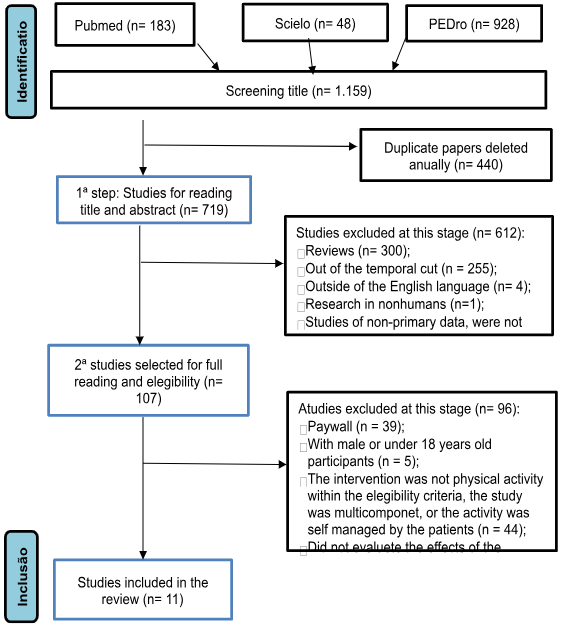
Figure 1. Flowchart of the systematic review, according to PRISMA model. Adapted from Page et al. (2021).
Regarding the characteristics of the included studies, the distribution by years was as follow: in 2018 (n=01); in 2020 (n=3); in 2021 (n=05); and in 2022 (n=02). There were no included studies from the years 2019 and 2023, althought they were within the defined timeframe. Most of the studies included (73%; n=8) were conducted in Spain, while the other three studies were conducted in different countries, including Brazil, Republic of Korea and Turkey.
The details of each included study, including authors and year of publication, titles, objectives, characteristics of the participants and interventions performed, are presented in Table 1. In general, women diagnosed with FMS were included, mainly according to the American College of Rheumatology, with ages ranging from 20 to 75 years, considering the youngest and oldest ages mentioned, which represents the sample range of the reviewed works.
The study by Hernando-Garijo et al. (2021) and Hernando-Garijo et al. (2022) were conducted with the same sample, with de latter analyzing results after six months of intervention. The work by Hernando-Garijo et al. (2022) was retained, despite being a secondary analysis, for processing primary data.
Table 1. Overview of the included studies in the review according to the authors’ reference and publication year, title, objectives, participans characteristics and intervention procedures decribed in the 11 included studies in the review.
| Authors (year) | Title | Objetive | Participants | Intervenção |
| AcostaGallego et al. (2018) | Land- and poolbased intervention in female fibromyalgia patients: A randomized-controlled trial | to assess the effect (self-perceived pain, perceived fatigue, aerobic capacity, depressive symptoms and the general impact of FM) of a standard physical rehabilitation intervention (SPRI) program, in pool-based (SPRI-P) and landbased (SPRI-L) environments. | 73 female patients, mean age 58.3±7.1 years, with FM, with mild to moderate symptoms, randomized into: SPRI-P (n=37) and SPRI-L (n=36). | Activities primarily based on walking (slower or faster, sideways or backwards, changing their pace or passing a ball between them etc.). The structure of the SPRI program was divided into four stages: (i) warm-up – 10min, (ii) main aerobic exercise – 25min, (iii) gentle stretching and (iv) relaxation – 10min. The most important part of the SPRI program consisted of a combination of activities based on aerobic exercises, proprioception, balance and breathing exercises. Stretching and relaxation were performed at the end of the exercise period and focused on the most used muscles. |
| Arakaki et al. (2021) | Strengthening exercises using swiss ball improve pain, health status, quality of life and muscle strength in patients with fibromyalgia: a randomized controlled trial | To assess the effectiveness of muscle strengthening using the Swiss ball in improving pain, health-related quality of life, muscle strength and general health status in patients with FMS. | 60 female patients, mean age 47.4±9.0 years, with FMS, attended at an outpatient clinic, randomized into: Swiss ball exercise group (n = 30) and stretching group (n = 30). | All patients participated in 40-minute training sessions, 3 times a week, for 12 weeks. The Swiss ball group performed exercises in three sets of 12 repetitions, with a recovery interval of one to two minutes between exercises, alternating between upper limbs, lower limbs and abdomen. The stretching group performed stretching exercises that targeted the same muscles trained in the Swiss ball group at the same rehabilitation center, remaining in the stretching position for 3 sets of 30 seconds for each exercise. |
| HernandoGarijo et al. (2021) | Immediate Effects of a Telerehabilitation Program Based on Aerobic Exercise in Women with Fibromyalgia | To analyze the immediate effects on pain intensity, sensitivity to mechanical pain, impact of FM, pain catastrophizing, psychological distress and physical function of a Telerehabilitation Program (TP) based on aerobic exercise in patients with FMS during the period of mobility restrictions imposed due to the COVID-19 pandemic. | 34 women, diagnosed with FMS, aged between 30 and 75 years (mean ± SD: 53.44 ± 8.8) years, randomized into: PT group (n = 17) and control group (n = 17). | The PT group received 15 weeks of a telerehabilitation aerobic exercise program. The Control group received no additional interventions. Both groups were instructed to keep the same medical prescription throughout the study. The warm-up included joint mobility exercises and active stretching. In the central part, the aerobic exercises were based on video-guided low-impact rhythmic movements. The repetition rate determines the exercise intensity: 10, 15, 20 or 25 repetitions per minute. Patients were able to watch a video of the therapist performing each exercise at the four intensitivity levels. The first two sessions were supervised before the telerehabilitation sessions to ensure that the patients performed the exercises correctly and safely and to allow establishing the intensity of the individualized protocol. To ensure adherence of all participants, video calls were held once a week. |
| HernandoGarijo et al. (2022) | Effects of a Telerehabilitation Program in Women with Fibromyalgia at 6-Month FollowUp: Secondary Analysis of a Randomized Clinical Trial | To analyze the effects of a Tele-rehabilitation Program (TP) based on aerobic exercises during the 15-week Spanish home confinement on patients with fibromyalgia (FM) at 6 months of follow-up. | 34 women, diagnosed with FM, aged between 30 and 75 years (mean ± SD: 53.44 ± 8.8) years, were randomized into two groups: PT group (n = 17) and control group (n = 17). | The PT group received a 15-week program of aerobic exercise through telerehabilitation. The Control group did not receive any additional interventions. Both groups were instructed to maintain the same medical prescription throughout the study. The warm-up phase included joint mobility exercises and active stretching. In the main part of the session, aerobic exercises were based on lowimpact rhythmic movements guided by video. The exercise intensity was determined by the repetition rate: 10, 15, 20, or 25 repetitions per minute. Patients were able to watch videos of the therapist performing each exercise at the four intensity levels. The first two sessions were supervised to ensure that patients performed the exercises correctly and safely, and to establish an individualized protocol intensity. Weekly video calls were conducted to ensure adherence among all participants. |
| IzquierdoAlventosa et al. (2020a) | Comparative study of the effectiveness of a low-pressure hyperbaric oxygen treatment and physical exercise in women with fibromyalgia: randomized clinical trial | To analyze the effect of low-pressure hyperbaric oxygen therapy (HBOT) on induced fatigue, pain, resistance, and functional capacity compared to those obtained from a physical exercise program in women with FM. Additionally, we aim to explore the impact of this therapy on physical performance and cortical excitability. | 49 women diagnosed with SFM were randomized into three groups: physical exercise group (GE) (n = 16), hyperbaric oxygen therapy group (OHB) (n = 17) and control group (GC) (n = 16). The participants had a mean (SD) age of 53.30 (7.86) years. | Participants were allocated to three different interventions. Low-pressure hyperbaric oxygen treatment: Participants in this group received lowpressure hyperbaric oxygen treatment, totaling 40 sessions of 90 minutes, with five sessions per week. Lowintensity physical exercise: Participants in this group were enrolled in a low-intensity physical exercise program using a protocol (16 sessions in total, two sessions per week, 60 min each. The exercises were divided into three parts: 10 minutes of warm-up, 40 minutes of training and 10 minutes of relaxation). The training included a combination of resistance and coordination based on a previous group study. Control group: Participants in this group did not receive any type of therapy and were asked to continue their usual routines, including medication. |
| IzquierdoAlventosa et al. (2020b) | Low-Intensity Physical Exercise Improves Pain Catastrophizing and Other Psychological and Physical Aspects in Women with Fibromyalgia: A Randomized Controlled Trial | To determine the effects of a lowintensity physical exercise program (PE), combining resistance and coordination training, on pain catastrophizing in women with FM. Additionally, to evaluate the effects of the proposed protocol on psychological aspects (anxiety, depression, and stress), pain perception (pain acceptance and pressure pain threshold), quality of life, and physical conditioning (selfperceived functional capacity, endurance and functional capacity, power, and speed) in women with FM. | 32 women with FM were randomized into two groups: exercise program (EP) group (n=16) and control group (CG) (n=16). The mean age (SD) of participants was 53.06 (8.4) years for the EP group and 55.13 (7.35) years for the CG. | In the PE group, participants engaged low-intensity exercise combining resistance training (ie, low-load aerobic and resistance exercises designed to improve endurance) and coordination. The protocol included 16 sessions, conduced twice a week (60 min each), for eight weeks. The sessions were divided into two stages, with the first (i.e., sessions 1 to 4) dedicated to adjusting and familiarizing participants with the exercise, and the second (i.e., sessions 5 to 16) intended for personalized strength and coordination training. Each session was divided into three parts: warm-up, training and relaxation. Training in the first stage (sessions 1 to 4) consisted of walking at a comfortable speed for 15 minutes, performing a circuit of 10 exercises for 25 minutes, and relaxing for 20 minutes. In the second stage (5th to 16th session), after a 10-min warm-up, participants should perform as many repetitions as possible in 1 min of the 10-exercise circuit exercises for 40 min, then relax for 10 min. A soft elastic band was also used for limb and trunk training and coordination exercises. Coordination exercises included standing calf raises, sitting and standing for a chair, stepping up and down, and throwing a ball in the air. |
| IzquierdoAlventosa et al. (2021) | Effectiveness of High-Frequency Transcranial Magnetic Stimulation and Physical Exercise in Women With Fibromyalgia: A Randomized Controlled Trial | Explore the effect of high-frequency transcranial magnetic stimulation (HF-TMS) and physical exercise (PE) on pain, impact of FM, physical conditioning, and emotional state in women with FM. | 49 women diagnosed with SFM, randomized into three groups: high-frequency transcranial magnetic stimulation (HF-TMS) group (n = 17), physical exercise (PE) group (n = 16), and control group (CG) (n = 16). The mean age (SD) of the participants was 50.47 (8.90) years for the HF-TMS group, 53.06 (8.40) years for the PE group, and 55.13 (7.35) years for the CG. | The participants were randomly allocated to 2 different interventions and a control group. In the HF-TMS group, they received 10 sessions of HF-TMS divided over 2 consecutive weeks (5 sessions per week), each lasting 20 minutes, based on previous studies. Magnetic stimulation was applied using a specific transcranial magnetic stimulator. Each session consisted of 60 sequences of 5-second pulses, with 50 stimuli in each sequence at a frequency of 10 Hz and a 15-second interval between each sequence, totaling 3,000 pulses. In the PE group, there were 16 sessions of 60 minutes, 2 sessions per week. The exercise sessions were divided into 3 parts: 10 minutes of warm-up, 40 minutes of training, and 10 minutes of relaxation. The training included a combined protocol of resistance and coordination based on previous studies by the group (Izquierdo-Alventosa et al., 2020b). In the control group, no therapy was applied, and they were asked to continue their usual routines. |
| Kolak et al. (2022) | Effects of different types of exercises on pain, quality of life, depression, and body composition in women with fibromyalgia: A three-arm, parallel-group, randomized trial. | Compare the effectiveness of three different types of exercises on pain, health-related quality of life, depression, and body composition in women with fibromyalgia (FM). | 41 female patients with FM. The mean age was 46.7±9.4 years, ranging from 24 to 62 years. Randomized into: supervised aerobic exercise plus stretching group (Group 1, n=13), supervised resistance exercise plus stretching group (Group 2, n=13), and home-based stretching exercise group (Group 3, n=15). | All patients in the three groups exercised three times per week for 12 weeks. All groups performed the same muscle stretching exercises as detailed in Group 3. Group 1: Participants were instructed to perform stretching exercises in addition to walking exercises on a treadmill for 40 minutes. The exercise prescription was individualized with progression based on heart rate. Group 2: Participants were instructed to perform stretching exercises and resistance exercises using weight machines, with individualized prescription and progression of loads and repetitions. Group 3: Participants performed stretching exercises at home and were designated as an active control group. Each exercise was described to the patient and performed at the beginning and end of each exercise session. For each muscle group, the exercise was performed three to four times, with each repetition lasting 30 seconds. The exercise program was implemented three days per week for 12 weeks. |
| Park et al. (2021) | Comparison of core muscle strengthening exercise and stretching exercise in middle-aged women with fibromyalgia | Compare the effect of core muscle strengthening exercise with general stretching exercise on symptoms, including balance, in patients with fibromyalgia. | 30 female participants with fibromyalgia were randomized into two groups: strengthening group (n=15) and stretching group (n=15), with mean ages of 52.8 ± 7.1 and 50.5 ± 7.1, respectively. | Each participant performed exercise sessions twice a week, lasting 30 minutes, for 4 weeks. During each session, light dynamic stretching was performed for 5 minutes in both groups before and after the main exercise (20 minutes). The core strengthening exercise was programmed to include horizontal side support, abdominal drawing maneuver, sitting, sitting with weightbearing support, pelvic tilt, abdominal exercises, side plank, back extension, and bird-dog exercise. The general stretching exercise focused on the key pain areas to minimize tender point localization and was individualized to teach each participant to find their stopping point and avoid excessive stretching. In the stretching group, it was determined by participant feedback during each visit, and the exercise consisted of 2 sets of 3 repetitions of 8 to 9 different exercises, holding each stretch position for 30 seconds. |
| RodriguezMansilla et al. (2021) | Effects of NonPharmacological Treatment on Pain, Flexibility, Balance and Quality of Life in Women with Fibromyalgia: A Randomised Clinical Trial | Evaluate the effectiveness of an active exercise program and exercises for well-being in improving pain, flexibility, static balance, and quality of life in patients with fibromyalgia, comparing the two treatment approaches with each other and with a control group. | Ninety-three female patients with fibromyalgia, with a mean age of 52.24 ± 6.19 years, were randomized into three groups: active exercise program group (AEP) (n = 33), well-being exercise group (Qi Gong) (n = 31), and a control group (n = 29). | The study was conducted over a period of 6 weeks: 4 weeks of treatment and 2 weeks of assessments. The sessions of the active exercise program, as well as the well-being exercise sessions, lasted for 45 minutes and were conducted twice a week. The PEA experimental group completed a program of active physical exercise treatment that aimed to work on the entire musculoskeletal system. It included a 3 to 5-minute warm-up walk, active mobilization exercises for the shoulders, spine, and hips, static balance exercises, and stretching. Each mobilization exercise (at maximum range of motion) was held for 10 seconds and repeated six times with eyes open and closed. The well-being exercise experimental group performed the ‘Twenty Figures of Wang Ziping for Health and Longevity’ (literally translated), which are century-old therapeutic exercises including Daoyin, Wiqinxi, Yijinjing, and Baduanjin. These exercises are orally transmitted from master to disciple, and the figures were repeated 6 times each, combining mental concentration and abdominal breathing during the execution of coordinated balance, flexibility, and body movements. The control group did not receive any treatment. All participants continued with their regular medical routine. |
| Sauch Valmaña et al. (2020) | Effects of a Physical Exercise Program on Patients Affected with Fibromyalgia | To evaluate the benefits of a targeted 12-week physical activity program for individuals with fibromyalgia.. | 48 women with fibromyalgia, randomized into control group (CG) (n= 25) and intervention group (IG) (n= 23), with a mean age of 53.95 years (SD ± 7.69). | The intervention group: engaged in a therapeutic, lowintensity physical activity program involving aerobic endurance and strength and balance work 2 days a week over a 12-week period, with each session lasting 90 minutes, with exercise intensity adapted to the tolerance levels of the participants. The control group did not perform the physical activity program. |
The main variables analyzed, from highest to lowest frequency, were: pain aspects (n=10, measured by the Visual Analog Scale – VAS), impact of FMS on quality of life (n=10, mostly measured by the Fibromyalgia Impact Questionnaire – FIQ and the Short Form Health Questionnaire – SF-36), aspects of functional capacity (n=6, measured by different tests), psychological aspects such as depression, anxiety and stress (n=5, measured by different scales) and fatigue aspects (n=4, measured by different tests). The characterization of the main variables studied by the authors of the included works, as well as the measurement instrument used, were organized for each reference in Table 2.
Chart 2. Analyzed variables and measurement instruments used by the authors of the 11 papers included in the systematic review.
| Reference | Variables (measurement instrument used) |
| Acosta-Gallego et al. (2018) | Pain (Visual Analog Scale), fatigue (Fibromyalgia Impact Questionaire – FIQ), aerobic capacity (six minutes walk test – 6MWT), depression (Hamilton Depression Scale) and general impact of SFM (FIQ). |
| Arakaki et al. (2021) | Pain (Visual Analog Scale – VAS); muscle strength (one repetition maximum test); Health status (FIQ – revised); quality of life (Questionnaire Short Form36). |
| Hernando-Garijo et al. (2021) | Pain (EVA), sensitivity to mechanical pain (Algometer), impact on SFM (FIQrevised), catastrophizing of pain (Catastrophic Scale of Pain), psychological suffering (Hospital Anxiety and Depression Scale), Physical function of upper limbs (Arm Curvature Test) and lower limbs (6MWT). |
| Hernando-Garijo et al. (2022) | Pain intensity (VAS), Fibromyalgia Impact (FIQ – Revised), Physical function (Sit and Stand Test, 6MWT, Arm Curve Test, Timed Up and Go), Isometric force (manual Lafayette Instrument ® model 01165) and quality of life (Health Assessment Questionnaire). |
| Izquierdo-Alventosa et al. (2020a) | Induced fatigue (6MWT), perceived pain (VAS), pressure pain threshold (algometer WAGNER Force Dial TM FDK 20/FDN 100 Series Push Pull Force Gage, Greenwich CT, USA), strength and functional capacity (6MWT), physical performance (Short Physical Performance Battery) and cortical excitability (electromyography). |
| Izquierdo-Alventosa et al. (2020b) | Psychological aspects: pain catastrophizing (Pain Catastrophizing Scale), anxiety (Hospital Anxiety and Depression Scale), depression (Beck Depression Inventory-II), stress (Perceived Stress Scale-10); Pain perception: pain acceptance (Chronic Pain Acceptance Questionnaire), pressure pain threshold (WAGNER Force Dial TM FDK 20/FDN 100 Series Push Pull Force Gage, Greenwich, CT, USA); quality of life (FIQ – Revised); and physical conditioning: self-perceived functional capacity (“Physical Function” of FIQ – Revised), endurance and functional capacity (6MWT), power (5-Repetition Sit-to-Stand Test), and speed (4-Meter Gait Speed Test – 4MGS). |
| Izquierdo-Alventosa et al. (2021) | Perceived pain (VAS), average pressure pain threshold (WAGNER Force Dial TM FDK 20/FDN 100 Series Push Pull Force Gage; Wagner Instruments, Greenwich, CT, USA), perceived impact of FM, namely overall impact, symptoms, and perceived physical function (FIQ – Revised), physical conditioning, namely endurance and functional capacity (6MWT), induced fatigue (Borg CR-10 Scale), speed (4-Meter Gait Speed Test – 4MGS), and power (5-Repetition Sit-to-Stand Test), and emotional state, namely anxiety (Hospital Anxiety and Depression Scale), depression (Beck Depression Inventory-II), stress (Perceived Stress Scale-10), and satisfaction (Life Satisfaction Scale). |
| Kolak et al. (2022) | Pain intensity (VAS), severity of FMS (FIQ), symptoms of depression (Beck Depression Inventory), health-related quality of life (Short Form-36 Health Survey – SF-36), and body composition (bioelectrical impedance). Measurements of maximum oxygen consumption for aerobic exercise and one-repetition maximum (1-RM) testing for resistance exercise were performed. |
| Park et al. (2021) | The outcome measures were VAS, Borg Scale, FIQ, widespread pain index, symptom severity scale, and balance scale assessed by the distance of sway on a soft cushion with eyes open and eyes closed. |
| Rodriguez-Mansilla et al. (2021) | The measures included static balance and center of gravity (Wii-Fit Nintendo©), flexibility (Wells and Dillon Test), pain (VAS), quality of life (FIQ), and perceived exertion during activity (BORG Scale). |
| Sauch Valmaña et al. (2020) | Pain (VAS), impact of FM (FIQ), and perceived health status (SF-36 Questionnaire). |
The main results reported in the included studies were summarized by the evidence provided by the authors and presented in Table 3, which also included the conclusions of each included study.
Table 3. Recorded evidence from key findings and conclusions of included papers
| Reference | Main results | Conclusions |
| Acosta-Gallego et al. (2018) | Differences were found between the pre- and posttests of the SPRI-P and SPRI-L groups. Regarding self-perceived pain, in the SPRI-P group, there was a reduction in post-test values. In the SPRI-L group, the scores were similar in the pre-test and post-test. As for depressive symptoms, a considerable improvement was found in both programs (SPRI-P and SPRI-L) with a reduction in symptoms. | The SPRI program produces improvements in clinical manifestations in patients with FMS, with a reduction in physical symptoms (self-perceived pain, perception of fatigue) and an increase in functional capacity (aerobic capacity) and a decrease in associated symptoms (depression). The improvements varied depending on the environment in which the program was conducted (pool or land), with SPRI-P being more effective, resulting in a reduction in the overall impact of FM in patients. |
| Arakaki et al. (2021) | Overall quality of life improved in both groups, but the Swiss ball group showed significant improvement in pain, quality of life, and overall health status compared to the stretching group. The use of analgesics decreased in both groups during the program, and both groups were able to increase the loads in all exercises. The improvement in muscle strength was significant in the Swiss ball group. No exercise-related adverse effects were reported by the patients. | The results of this study have demonstrated that treating fibromyalgia with strengthening exercises and the use of Swiss ball led to improvements in pain, quality of life, muscle strength, and a reduction in the need for medications compared to stretching exercises, with no negative effects. |
| Hernando-Garijo et al. (2021) | The TP group showed a decrease in pain intensity, psychological distress, and an increase in mechanical pain sensitivity compared to the Control group. There were no statistically significant differences between the two groups in the impact of FM, pain catastrophizing, and physical function. | The results of this study demonstrated that TP based in a aerobic exercise was effective in reducing pain intensity, mechanical pain sensitivity, and psychological distress during the lockdown imposed by the COVID-19 pandemic. |
| Hernando-Garijo et al. (2022) | No statistically significant differences were identified between the groups in any outcome at the 6-month follow-up. Regarding within-group analysis, the TP group showed a significant decrease in pain intensity and FMS impact, an improvement in physical function, and an improvement in quality of life at the 6-month follow-up. In the control group, there were no differences between baseline and follow-up in any outcome after 6 months. | The results demonstrate that an aerobic exercise-based TP approach offered a similar therapeutic effect compared to the control group in all outcome measures after 6 months in women with FM. Therefore, it may not be an effective treatment given the lack of significant differences between the groups in any variable. |
| IzquierdoAlventosa et al. (2020a) | Perceived pain and induced fatigue significantly improved only in the OHB group, unlike in the GE and GC. Low-pressure OHB and physical exercise significantly improved pressure pain threshold, endurance, and functional capacity, as well as physical performance. Cortical excitability did not improve in any of the treatments. | The results suggest that both lowpressure hyperbaric oxygen therapy and an 8-week low-impact exercise program improve pressure pain threshold, endurance, functional capacity, and physical performance in activities of daily living. Induced fatigue and perceived pain significantly improved only with lowpressure hyperbaric treatment. Thus, lowpressure hyperbaric oxygen therapy may be the treatment of choice in women with FM who report high levels of pain and fatigue. |
| IzquierdoAlventosa et al. (2020b) | All psychological constructs assessed (i.e., pain catastrophizing, anxiety, stress, and depression) significantly improved in the physical exercise group (EG) following the intervention. Statistically significant improvements were also observed in the PE group for pain perception and pain acceptance. PE also significantly improved quality of life. In contrast, the control group (CG) did not show improvement in any of the analyzed variables. Participants in the PE group had a statistically significant improvement in their physical fitness following the intervention; they improved their selfperceived functional capacity, endurance, and functional ability; and they also improved their power and speed. No statistically significant differences were observed in any of the aforementioned variables in the CG. | According to the results, a combined program of low-intensity physical exercise, including resistance and coordination training, improves pain catastrophizing in women with FM. Additionally, the proposed protocol improves other psychological variables (i.e., anxiety, depression, and stress), perceived pain, quality of life, and physical fitness in women with FM. |
| IzquierdoAlventosa et al. (2021) | Perceived pain significantly improved only in HFTMS, while the average pressure pain threshold improved in both HF-TMS and PE. The impact of FM significantly improved in both groups, with greater improvements observed in HF-TMS compared to PE. Only HF-TMS showed significant statistical effects on symptom and perceived physical function after treatment. Endurance and functional capacity significantly improved in both PE and HF-TMS. Perceived fatigue significantly improved only in HFTMS. Anxiety, depression, and stress decreased significantly after both interventions. The improvements achieved in HF-TMS were significantly greater for depression and stress compared to those observed in PE. No significant changes were observed in the control group. | PE and HF-TMS are effective in improving the average pressure pain threshold, the impact of FM, and the physical and emotional state in women with FM in the short term. However, HFTMS showed additional improvements in perceived pain intensity, subjective perception of functional status, and symptoms. Overall, both interventions yielded similar benefits for physical state, while the emotional state experienced greater benefits with HF-TMS compared to PE. |
| Kolak et al. (2022) | There was a statistically significant difference between the groups only in the pain intensity scores. Pain intensity scores and the impact of FMS on quality of life were significantly reduced in all groups after training compared to baseline. Pain intensity was significantly lower in the combined exercise groups compared to Group 3 in the post-training period. Weight and BMI decreased in Group 2 and increased in Group 3; on the other hand, it did not change in Group 1 in the post-training period compared to pre-training. Fat percentage increased, and muscle percentage decreased significantly in Group 3. Depression scores were significantly reduced in Groups 1 and 2, while no significant differences were found in Group 3. | The results indicated that 12 weeks of physical training in women with FMS reduce pain and improve the overall impact of FMS. Furthermore, supervised aerobic/muscular strengthening combined with stretching exercises reduces pain and severity of FM more than just home stretching exercises. |
| Park et al. (2021) | The impact of FMS on quality of life and symptom severity was significantly reduced in both groups after a 4-week exercise program compared to the initial assessment. Pain scores and perceptions of effort were significantly lower only in the stretching group after a 4-week exercise program compared to the initial assessment. Balance scores were significantly lower in the strengthening group after a 4-week exercise program compared to the initial assessment. | The 4-week program of core muscle strengthening exercises and general stretching exercises has been shown to be effective in alleviating symptoms of fibromyalgia independently. Additionally, core muscle strengthening exercises have been found to be beneficial for certain measures of balance. Preliminary evidence suggests that both types of exercises may have positive effects on specific outcomes, and exercise prescription is clinically recommended for fibromyalgia. |
| RodriguezMansilla et al. (2021) | We observed a tendency of mild or strong improvement in many outcomes, even for the control group. Patients seemed to spontaneously perform better at the second measurement. However, after applying a repeated measures model, no significant interactions were found in some variables, but a clear improvement in the impact of FM on quality of life could be observed from the beginning for both the PEA group and the Qi Gong group. When comparing PEA with Qi Gong, a better performance was observed in the former group, at least in descriptive terms. However, no significant differences were found between them. Lastly, in the subjective assessment of perceived fatigue during the sessions, the average for the PEA group was higher than the Qi Gong group, but these differences were significant. | The results indicated that active exercise and well-being exercise improve pain, flexibility, static balance, and quality of life in women with fibromyalgia. However, the active exercise program achieved better results than the well-being exercise. No statistically significant differences were found between the groups regarding the perception of perceived fatigue during the sessions. |
| Sauch Valmaña et al. (2020) | At the end of the trial, the results showed that there were no significant differences in any of the groups before and after the intervention. In summary, a lowintensity exercise program of 2 days per week over a period of 12 weeks had no significant effect on pain, perceived health status, and the impact of the condition in a sample of women with fibromyalgia. | The study demonstrates that a physical activity program lasting less than 3 months does not significantly improve any of the studied factors. Associations still recommend physical exercise, although few studies suggest that pain and fatigue, the main symptoms of the condition, improve as a result, and patients may be severely affected by not tolerating the exercises they are asked to perform. There is no need for a specific physical activity program for patients diagnosed with fibromyalgia in primary care. However, physical activity should be included as part of the daily activities for these patients from the onset of symptoms. |
DISCUSSION
This systematic review aimed to analyze the effects of guided physical activity as a form of non-pharmacological therapy for women affected by fibromyalgia syndrome, using existing randomized clinical trials as a basis for the analysis. This study was conducted similarly to Sosa-Reina et al. (2017), in order to systematize new records and verify if the conclusions regarding aerobic and streght training exercises being the most effective way to reduce pain and improve overwall well-being in people with fibromyalgia are still upheld.
In this context, it is noted that aerobic and strengthening exercises continue to demonstrate pain reduction and improvement in the general condition of women with FMS, in the studies included in this review, with the exception of the studies by Hernando-Garijo et al. (2022) and Sauch Valmaña et al. (2020). However, the majority of studies indicated that training programs varied in type, in addition to those mentioned previously, exercises such as balance, breathing, low-impact/intensity, resistance, coordination and stretching, also promote improvements in these aspects. It is important to emphasize that the combination of different types of exercises, as well as the combination with other non-physical (and nonpharmacological) therapies, such as hyperbaric oxygen therapy (IZQUIERDO-ALVENTOSA et al., 2020a) and high-frequency transcranial magnetic stimulation ( IZQUIERDOALVENTOSA et al., 2021), have shown more promising results, including the reduction of physical symptoms, mainly pain, psychological ones, mainly depression, in addition to improving the general quality of life with a reduction in the global impact of the syndrome in women diagnosed with SFM.
Regarding the interventions, it was observed that there is not only one standard specific training protocol for patients with FMS; therefore, researchrs developed their protocols and analyzed about symptomatological variables of the syndrome. However, a common pratice among all studies was the division of intervention sessions into there or four sequential stages:: (i) warm-up or stretching, (ii) exercise, (iii) stretching (ACOSTA-GALLEGO et al., 2018; IZQUIERDO-ALVENTOSA et al., 2020a; IZQUIERDO-ALVENTOSA et al., 2020b; ARAKAKI et al., 2021; HERNANDO-GARIJO et al., 2021; HERNANDO-GARIJO et al., 2022; IZQUIERDO-ALVENTOSA et al., 2021; KOLAK et al., 2022; PARK et al., 2021; RODRIGUEZMANSILLA et al., 2021) and/or (iv) relaxation (IZQUIERDO-ALVENTOSA et al., 2020a; IZQUIERDO-ALVENTOSA et al., 2020b ; IZQUIERDO-ALVENTOSA et al., 2021); except for the studie by Sauch Valmaña et al. (2020), which does not describe the dynamics performed in detail.
Among the interventions that varied in types of exercises and environments for comparison, that of Acosta-Gallego et al. (2018) sought to compare the effects of two environments (pool and land) with a standard program of aerobic exercise, mixed proprioception, balance and breathing exercise, lasting 25 minutes with 10 minutes of relaxation and stretching. On the other hand, Kolak et al. (2022) aimed to compare the effectiveness of three different types of exercises, with the active control group performing a home stretching exercise routine, while the two intervention groups performed supervised exercises at the Sports Rehabilitation Unit of the University of Pamukkale, witth one group performing aerobic exercises plus stretching and the other group performing resistance exercises plus stretching. These studies had different results, particulary in comparisons between environments. They concluded that physical rehabilitation leads to improvements in clinical manifestations in patients with FMS, including a reduction in physical symptoms (selfperception of pain, perception of fatigue) increased functional capacity (aerobic capacity) and a decrease in associated symptoms (depression), especially in the pool environment, with showed greater efficacy in reducing the overall impact of FMS (ACOSTA-GALLEGO et al., 2018); additionally, they found that supervised training combined with stretching reduces pain and severity of FMS, compared to unsupervised exercises with only stretching in the home environment (KOLAK et al., 2022).
In the present systematic review, the null hypothesis, which determines that there is no effect of guided physical activity as a non-pharmacological therapy for women with FMS, is refuted based on the fact that most of the included studies reported the occurrence of therapeutic effects of physical activities in women with FMS. Therefore, the alternative hypothesis, that guided physical activity has a beneficial effect as a non-pharmacological therapy for women with FMS, can be validated, as most studies not only demonstrated the occurence of therapeutic effects but also described them as beneficial in general for women with FMS. Specifically, the study by Kolak et al. (2022) showed different outcomes in the comparison of supervised and unsupervised excercises, further supporting the hypothesis of the beneficial effects of guided physical activity in this population.
In conclusion, it is considered that systematic physical exercise is an effective and promising non-pharmacological therapeutic alternative for women with FMS. However, some limitations of this study should be acknowledged. Firstly, the study did not consider with mixed samples (including both women and men), which limits the generalization of the findings to the overall occurence f the syndrome. Another limitation is that the temporal cutoff of the last five years coincides with the period of the COVID-19 pandemic, during which the results, particulary regarding psychological aspects, may have been influenced not only by the syndrome itself, but also by the confinement measures. Althought, we applied a criterion to exclude studies that completely transferred their analyses to the environment without supervision in order to reduce biases, it ir important to consider the potential impact of the pandemic on the results.
In addition, there are still unanswered questions that need to be explored to fill the existing gaps in this research area. For example, it is unclear why the training program based on exercise guided by telerehabilitation, using the same sample, yielded opposing results in the studies by Hernando-Garijo et al. (2021) and Hernando-Garijo et al. (2022) at three and six months, respectively, with promising outcomes in the first study and not in the second. In the context of the virtual environment, the importance of the pandemic period in popularizing telehealth should be emphasized. In other words, there is a need to seek more answers regarding the durability of treatments involving physical activities, particularly those associated with telerehabilitation, and to identify the possible guidelines, protocols, combinations, and factors that need to be adjusted in exercise-oriented treatments to produce effective and longlasting results.
CONCLUSION
Systematized physical exercise appears to emerge as an effective and promising nonpharmacological therapeutic alternative. The results of this systematic review indicate that guided physical activity has shown to produce reductions in both physical symptoms (pain) and psychological symptoms (depression), as well as improvements in the overall quality of life of women with fibromyalgia syndrome. This finding underscores the importance of considering exercise as an integral part of the treatment plan for this condition, providing an additional and complementary approach to conventional medication. Therefore, encouraging and promoting systematized physical exercise can represent a significant step in the effective management of fibromyalgia syndrome and improving the quality of life of patients. However, further studies are needed to fill the existing gaps and provide more robust evidence on the efficacy and underlying mechanisms, such as appropriate protocols, of this nonpharmacological therapy.
REFERENCES
ACOSTA-GALLEGO, A.; RUIZ-MONTERO, P. J.; CASTILLO-RODRÍGUEZ, A. Land- and pool-based intervention in female fibromyalgia patients: A randomized-controlled trial. Turk J Phys Med Rehabil, 64, n. 4, p. 337-343, 2018.
ARAKAKI, J. S.; JENNINGS, F.; ESTRELA, G. Q.; CRUZ MARTINELLI, V. D. G. et al. Strengthening exercises using swiss ball improve pain, health status, quality of life and muscle strength in patients with fibromyalgia: a randomized controlled trial. Rheumatism, 73, n. 1, p. 15-23, 2021.
ARNOLD, B.; HÄUSER, W.; ARNOLD, M.; BERNATECK, M. et al. Multicomponent therapy of fibromyalgia syndrome. Systematic review, meta-analysis and guideline. Schmerz, 26, n. 3, p. 287-290, 2012.
BRASIL. MINISTÉRIO DA SAÚDE. Guia de atividade física para a população brasileira. Brasília, 2021. Avaiable in: https://bvsms.saude.gov.br/bvs/publicacoes/guia_atividade_fisica_populacao_brasileira.pdf
CROFFORD, L. J. Fibromyalgia. In: LOSCALZO, J.; FAUCI, A.; KASPER, D.; HAUSER, S.; LONGO, D.; JAMESON, J. (org.). Harrison’s Principles of Internal Medicine. 21. ed. McGraw Hill, 2022. Avaiable in: https://accessmedicine.mhmedical.com/content.aspx?bookid=3095§ionid=265439213. Access in: 11 mai. 2023.
GOLDENBERG, D. L. Multidisciplinary modalities in the treatment of fibromyalgia. The Journal of Clinical Psychiatry, 69, supl. 2, p. 30–34, 2008.
HERNANDO-GARIJO, I.; CEBALLOS-LAITA, L.; MINGO-GÓMEZ, M. T.; MEDRANO-DE-LAFUENTE, R. et al. Immediate Effects of a Telerehabilitation Program Based on Aerobic Exercise in Women with Fibromyalgia. Int J Environ Res Public Health, 18, n. 4, 2021.
HERNANDO-GARIJO, I.; MEDRANO-DE-LA-FUENTE, R.; JIMÉNEZ-DEL-BARRIO, S.; MINGO-GÓMEZ, M. T. et al. Effects of a Telerehabilitation Program in Women with Fibromyalgia at 6-Month Follow-Up: Secondary Analysis of a Randomized Clinical Trial. Biomedicines, 10, n. 12, 2022.
HEYMANN, R. E.; PAIVA, E. S.; MARTINEZ, J. E.; HELFENSTEIN, M.; REZENDE M. C.; PROVENZA, J.R. et al. New guidelines for the diagnosis of fibromyalgia. Rev Bras Reumatol, 57, n. 2, p. S467-S476, 2017.
IZQUIERDO-ALVENTOSA, R.; INGLÉS, M.; CORTÉS-AMADOR, S.; GIMENO-MALLENCH, L. et al. Low-Intensity Physical Exercise Improves Pain Catastrophizing and Other Psychological and Physical Aspects in Women with Fibromyalgia: A Randomized Controlled Trial. Int J Environ Res Public Health, 17, n. 10, 2020.
IZQUIERDO-ALVENTOSA, R.; INGLÉS, M.; CORTÉS-AMADOR, S.; GIMENO-MALLENCH, L. et al. Comparative study of the effectiveness of a low-pressure hyperbaric oxygen treatment and physical exercise in women with fibromyalgia: randomized clinical trial. Ther Adv Musculoskelet Dis, 12, p. 1759720X20930493, 2020.
IZQUIERDO-ALVENTOSA, R.; INGLÉS, M.; CORTÉS-AMADOR, S.; GIMENO-MALLENCH, L. et al. Effectiveness of High-Frequency Transcranial Magnetic Stimulation and Physical Exercise in Women With Fibromyalgia: A Randomized Controlled Trial. Phys Ther, 101, n. 10, 2021.
KOLAK, E.; ARDIÇ, F.; FINDIKOĞLU, G. Effects of different types of exercises on pain, quality of life, depression, and body composition in women with fibromyalgia: A three-arm, parallelgroup, randomized trial. Arch Rheumatol, 37, n. 3, p. 444-455, 2022.
MARQUES, A. P.; SANTO, A. S. D. E.; BERSSANETI, A. A.; MATSUTANI, L. A. et al. Prevalence of fibromyalgia: literature review update. Rev Bras Reumatol Engl Ed, 57, n. 4, p. 356-363, 2017.
MOHER, D.; LIBERATI, A.; TETZLAFF, J.; ALTMAN, D. G.; PRISMA GROUP. Preferred reporting items for systematic reviews and meta-analyses: the PRISMA statement. PLoS medicine, 6, n. 7, e1000097, 2009.
PAGE, M. J.; MCKENZIE, J. E.; BOSSUYT, P. M.; BOUTRON, I. et al. Updating guidance for reporting systematic reviews: development of the PRISMA 2020 statement. J Clin Epidemiol, 134, p. 103-112, 2021.
PARK, H. K.; SONG, M. K.; KIM, D. J.; CHOI, I. S. et al. Comparison of core muscle strengthening exercise and stretching exercise in middle-aged women with fibromyalgia: A randomized, single-blind, controlled study. Medicine (Baltimore), 100, n. 50, p. e27854, 2021.
RODRÍGUEZ-MANSILLA, J.; MEJÍAS-GIL, A.; GARRIDO-ARDILA, E. M.; JIMÉNEZ-PALOMARES, M. et al. Effects of Non-Pharmacological Treatment on Pain, Flexibility, Balance and Quality of Life in Women with Fibromyalgia: A Randomised Clinical Trial. J Clin Med, 10, n. 17, 2021.
SAUCH VALMAÑA, G.; VIDAL-ALABALL, J.; POCH, P. R.; PEÑA, J. M. et al. Effects of a Physical Exercise Program on Patients Affected with Fibromyalgia. J Prim Care Community Health, 11, p. 2150132720965071, 2020.
SOCIEDADE BRASILEIRA DE REUMATOLOGIA. Tratamento da Fibromialgia. 2011. Avaiable in: https://www.reumatologia.org.br/orientacoes-ao-paciente/tratamento-dafibromialgia/. Access in: 15 mai. 2023.
WOLFE, F.; CLAUW, D. J.; FITZCHARLES, M. A.; GOLDENBERG, D. L. et al. 2016 Revisions to the 2010/2011 fibromyalgia diagnostic criteria. Semin Arthritis Rheum, 46, n. 3, p. 319-329, 2016
1Graduate Program In Health Sciences: Gynecology And Obstetrics – Federal University Of Rio Grande Do Sul.
2Centro Universitário de Mineiros (UNIFIMES), Mineiros, GO, Brazil.
3Embryology and Cell Differentiation Laboratory-Hospital of Clínicas of Porto Alegre.